For twenty-five years, my stepfather worked tirelessly on construction sites, silently nurturing a huge dream for me: to see me earn a PhD… On the day of my defense, the professor’s shocked expression left the entire audience speechless 😱😮
I was born into a broken family. My parents separated when I was barely taking my first steps. My mother, Elena, took me to live in Santiago Vale, a poor village swept by winds, surrounded by endless rice fields. My memory of my biological father is vague, almost erased. My childhood was built without comfort, without luxury.
At the age of four, my mother remarried. The man who entered our lives had nothing but a body worn down by work, sunburned skin, and hands hardened by cement. At first, I distrusted him. He left at dawn and came back late, soaked in the smell of construction sites. Yet, without ever making a sound, he repaired my broken bicycle and stitched my worn-out sandals. He never scolded me for my mistakes; he simply erased them with patience.
One day, when I was being bullied, he came to pick me up on his bicycle. On the way home, he calmly said:
“I won’t force you to call me dad. But I will always be here for you.”
From that moment on, he became my father.
My memories of him are simple and precious: his dust-covered clothes, his old rusty bicycle, his evenings after long workdays. Despite his exhaustion, he always found the strength to ask me:
“How was your day at school?”
He had never studied, but he often repeated:
“Knowledge earns respect. Always work seriously.”
We had almost nothing. The day I passed the entrance exam to Metro City University, my mother cried with joy. Hector, however, remained silent, a cigarette in his hand. He sold his motorcycle, added my grandmother’s savings, and sent me to study.
When he came to visit me in the city, he was drenched in sweat, wearing his old cap, carrying bags full of village goods: rice, dried fish, peanuts. Before leaving, he simply said:
“Give it everything you’ve got, my child. Study hard.”
In my lunchbox, I found a small folded note:
“I may not understand what you are studying, but I will work for it. Don’t worry.”
Years passed. I finished university, then postgraduate studies. Hector’s back became more hunched, his hands even rougher. I asked him to rest. He shrugged with a smile:
“I’m raising a future doctor. That’s already a great pride.”
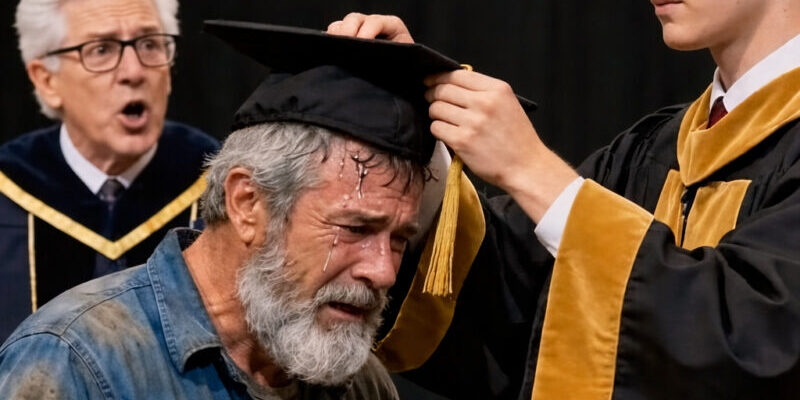
On the day of my defense, he was there. He had borrowed a suit, wore shoes that were too tight, and a new hat. Sitting upright at the back of the room, he never took his eyes off me.
When the professor came to congratulate me and greet my family, he suddenly stopped upon seeing Hector.
“You are Hector Alvarez, aren’t you?”
Before Hector could even answer, the professor… 👇👇
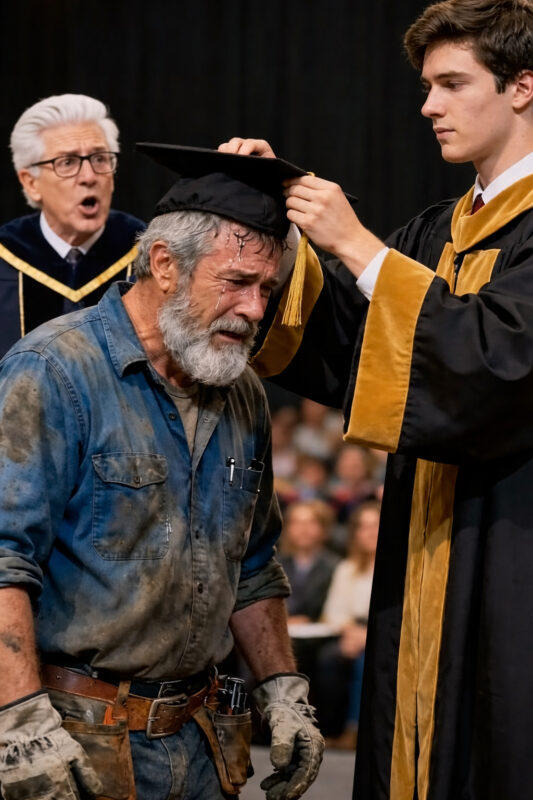
Before Hector could respond, the professor suddenly turned pale, as if struck by a harsh memory.
“Hector Alvarez… yes… it is you…” he murmured.
A tense silence filled the room.
He continued, his voice slightly trembling:
“Years ago, during the collapse of the old faculty building… I was inside. Everything collapsed in seconds. The dust, the screams… I thought it was the end.”
I felt my heart stop.
The professor looked at Hector with overwhelming intensity:
“And then someone came back. While everyone was fleeing… you went into the rubble. You found me, trapped under the beams. You pulled me out. You saved my life.”
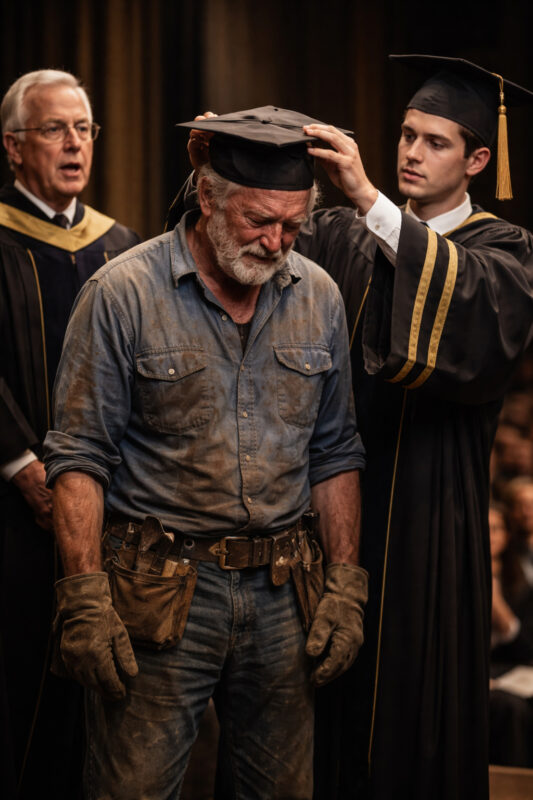
A wave of shock passed through the audience.
Hector, true to himself, looked down, almost embarrassed.
“I just did my job…” he said simply.
The professor shook his head:
“No. You did far more than that. Without you, I wouldn’t be here today… and I would never have seen your son become a doctor.”
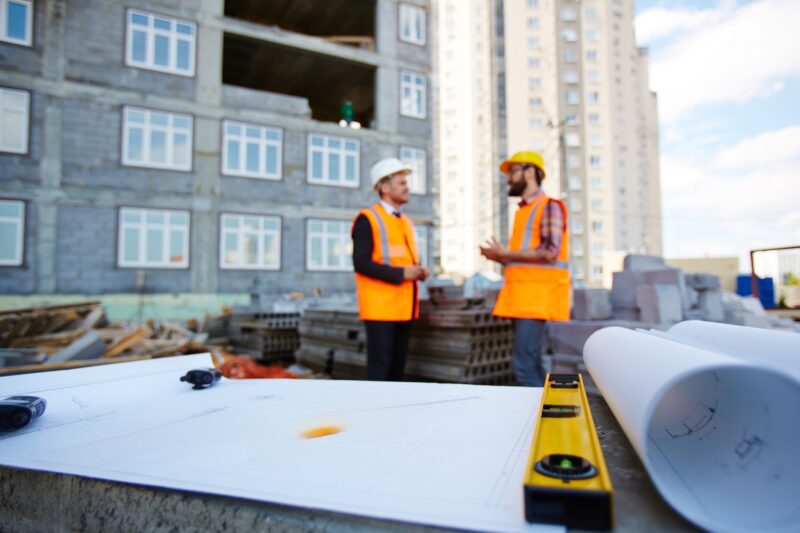
My eyes filled with tears. Everything suddenly came together: his silences, his modesty, his invisible sacrifices.
The professor stepped forward and firmly shook Hector’s hand:
“You saved my life once. Today, you built your son’s life.”
I couldn’t hold back. I stepped forward and hugged him.
“Dad… you are my hero.”